Rental
May 12, 2026
Introduction
High-population cities are no longer only growing in size; they are growing in intensity. More people, more movement, more opportunities… but also more traffic, more lost time, and greater urban disconnection. For years, the conversation focused on expanding cities outward. Today, the real question is different: how do we live better within them?
In this context, smart density emerges as a strategic response to urban growth. It is not about concentrating people without planning, but about designing vertical ecosystems where housing, work, services, and mobility coexist in an integrated way. Well-managed density does not overcrowd; it optimizes. It does not reduce quality of life; it redefines it.
Time: the new scarce resource in the city
In dynamic cities, the scarcest resource is no longer space, but time. Hours trapped in traffic, long and unpredictable commutes, and fragmented schedules directly affect productivity, mental health, and overall well-being. That is why the concept of the “15-minute city” has gained so much relevance: living where everything essential is within walking distance or a short commute completely transforms the urban experience. Recovering time means recovering quality of life.
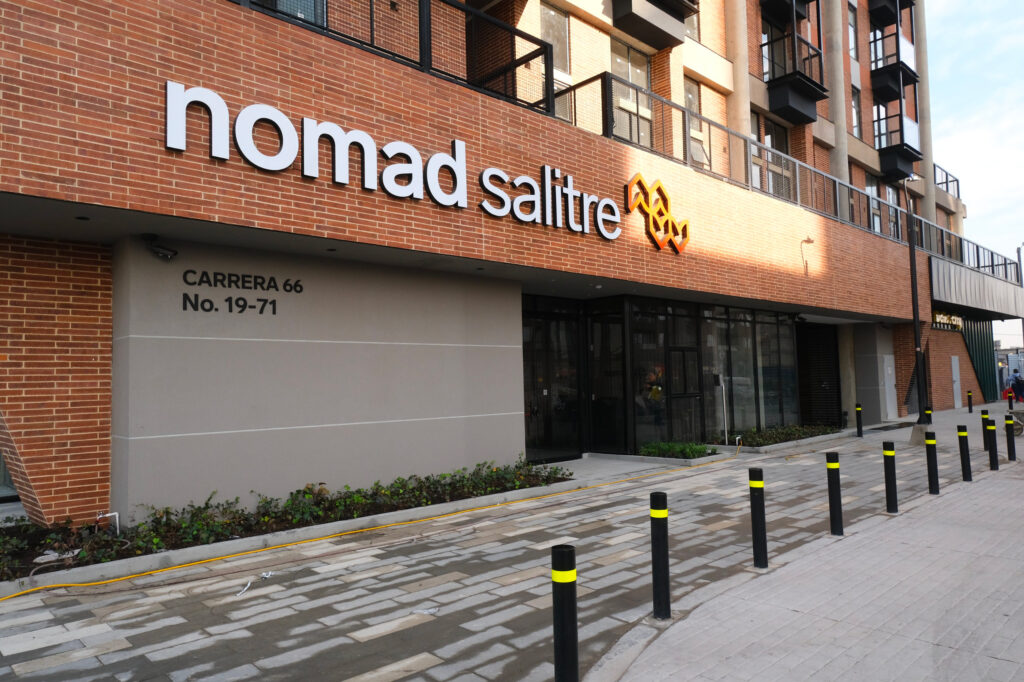
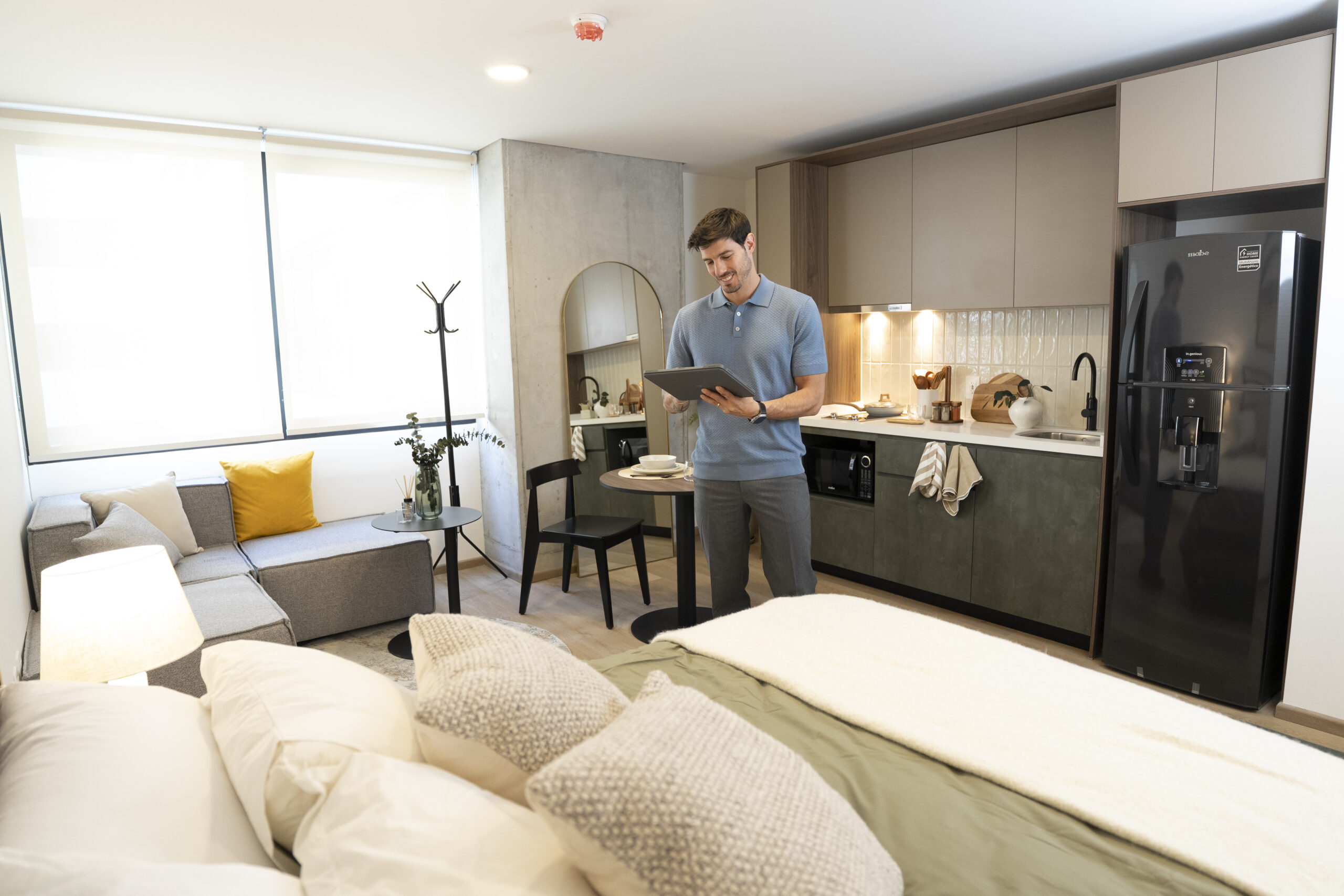
It is in this context that Nomad Living finds its purpose. Contemporary professional life is mobile, flexible, and constantly changing. Today’s professionals do not necessarily seek permanent roots in a single part of the city; they seek strategic freedom. They change projects, neighborhoods, and even cities more frequently than previous generations. For them, intelligent location and daily efficiency matter more than square meters.
The future of urban living
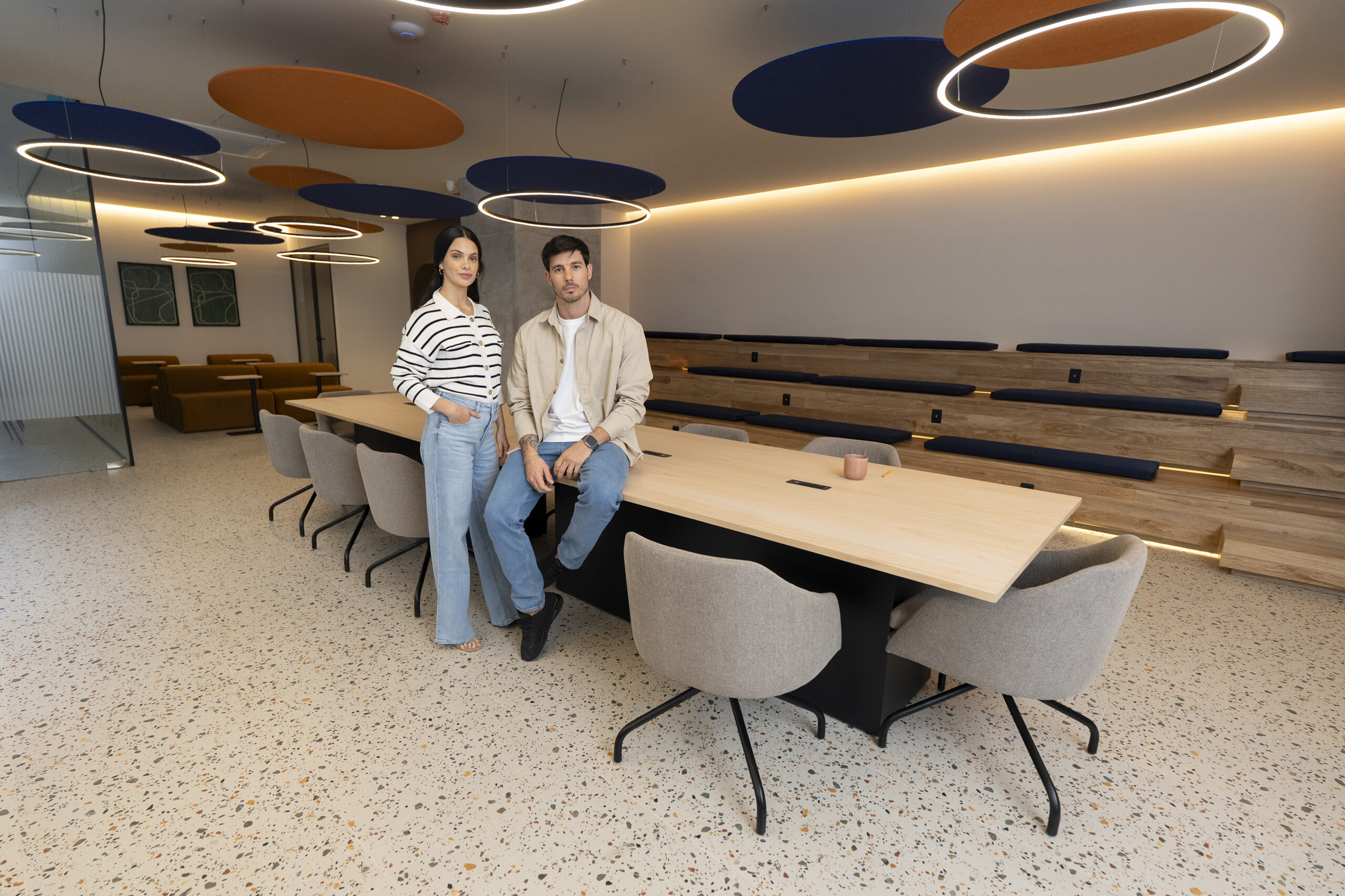
The building stops being simply a place to sleep and becomes an urban platform. Integrated coworking spaces reduce daily commutes. Gyms and shared areas within the same environment make it easier to maintain healthy habits without adding extra travel. Social spaces designed with intention help build community even within dense urban environments. Every integrated amenity represents time recovered and friction eliminated.
There is still a myth that densification means overcrowding. However, the real urban problem is not concentration, but inefficient dispersion. Uncontrolled horizontal expansion increases infrastructure costs, dependence on cars, and energy consumption. In contrast, well-planned concentration allows for economies of scale, better resource management, and a lower environmental footprint per resident. Smart density is not accumulation; it is strategic organization.
Nomad Living, at its core, is a way of inhabiting the city without becoming trapped by it. It means understanding that in highly populated urban environments, the competitive advantage is not having more isolated space, but being better connected. It is about moving less, wasting less, and making better use of every day.
Cities will continue to grow. The difference will lie in how we choose to live within them. And in that decision, smart density is not just a real estate trend—it is a natural evolution of urban life.

Write to us and an advisor will contact you shortly.